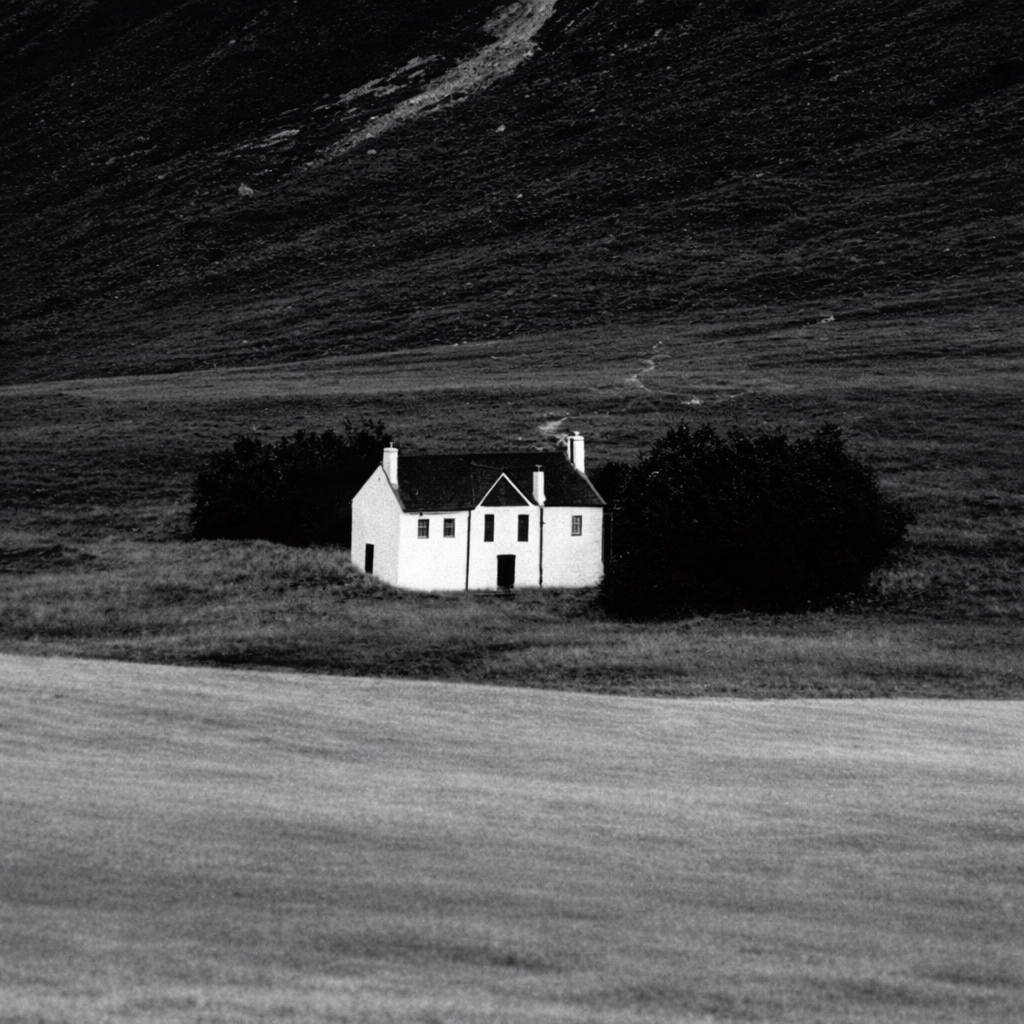
Welcome to the Master Betrayed
“A story of betrayal - and hubris.”
The Master Betrayed explores the balance between the mechanistic and the organic ways of attending to the world, inspired by the work of psychiatrist and philosopher Dr Iain McGilchrist.
Preface
The Master Betrayed begins from the premise that understanding is not something we possess as an idea, but something we inhabit as a way of being in the world. It is an invitation to encounter ideas not only as abstract propositions, but as lived and embodied experience. Unfolding as a multimedia narrative, part animation, part podcast, part written reflection, part interactive enquiry, it explores how the quality of our attention shapes the world we perceive, and how different ways of attending, mechanistic and organic, analytical and relational, bring different realities into view.
The project is built around ten hours of exclusive audio, recorded with Dr Iain McGilchrist over three days in 2017 at his home, Talisker House, on the Isle of Skye. These conversations form the backbone of the story, grounding wide-ranging ideas in dialogue and setting. At the heart of the story lies the idea that human attention is divided. The two cerebral hemispheres offer contrasting yet complementary ways of engaging with the world: one inclined towards control, abstraction, and certainty; the other towards context, relationship, and lived meaning. These differences are not treated here as neurological curiosities, but as forces that shape culture, education, technology, creativity, and our relationship with the world as a whole.
The journey begins by introducing both the home and the life of Dr McGilchrist, tracing the intellectual path that led him through literature, medicine, psychiatry, and philosophy to Talisker House. The place itself matters. Landscape, solitude, and history anchor philosophical and scientific ideas in lived experience. Chapters 2 to 6 follow the central argument of the hemisphere hypothesis set out in the first half of The Master and His Emissary: The Divided Brain and the Making of the Western World (2009). These chapters offer a guided exploration of divided attention and the differing perspectives of the two hemispheres, designed to make demanding ideas accessible, allowing audiences to grasp the essentials of the argument in hours rather than months, without diminishing their subtlety or seriousness.
From Chapter 7 onward, the structure opens out. Dr Iain McGilchrist and interviewer Oliver Trace move into a more free-flowing, dialectical conversation in which ideas surface, are challenged, and allowed to unfold organically. Across the remaining chapters, themes including culture, art, mental health, technology, belief, power, and meaning are explored through dialogue. In this way the form of the project reflects its content. Animation, audio, writing, and interactive elements work together to engage not only analysis, but intuition, reflection, and, crucially, attention. In slowing down, we are encouraged to notice something easily overlooked: that the kind of attention we bring to the world changes what we find and who we become.
An interactive, immersive experience
Animation
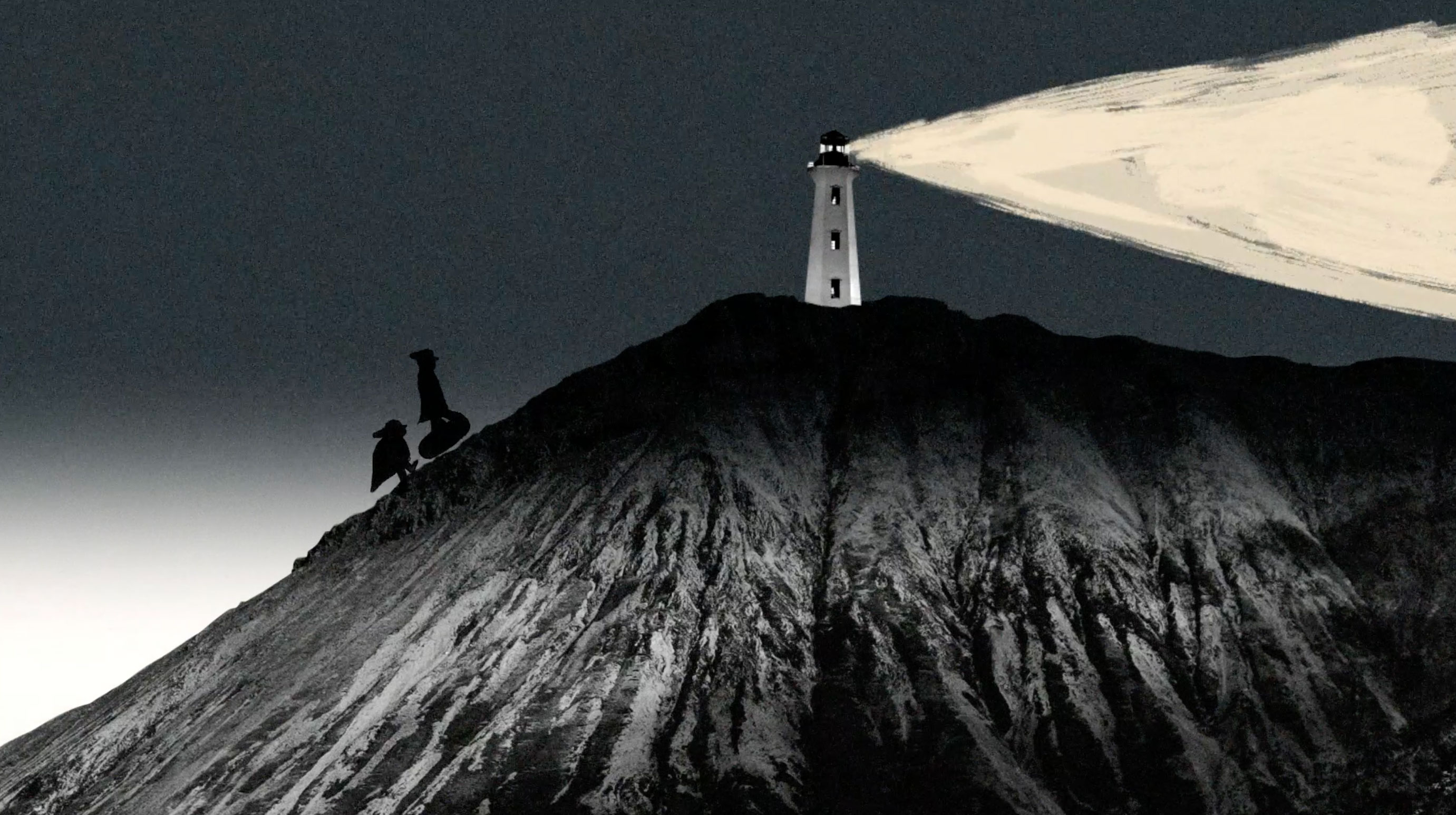
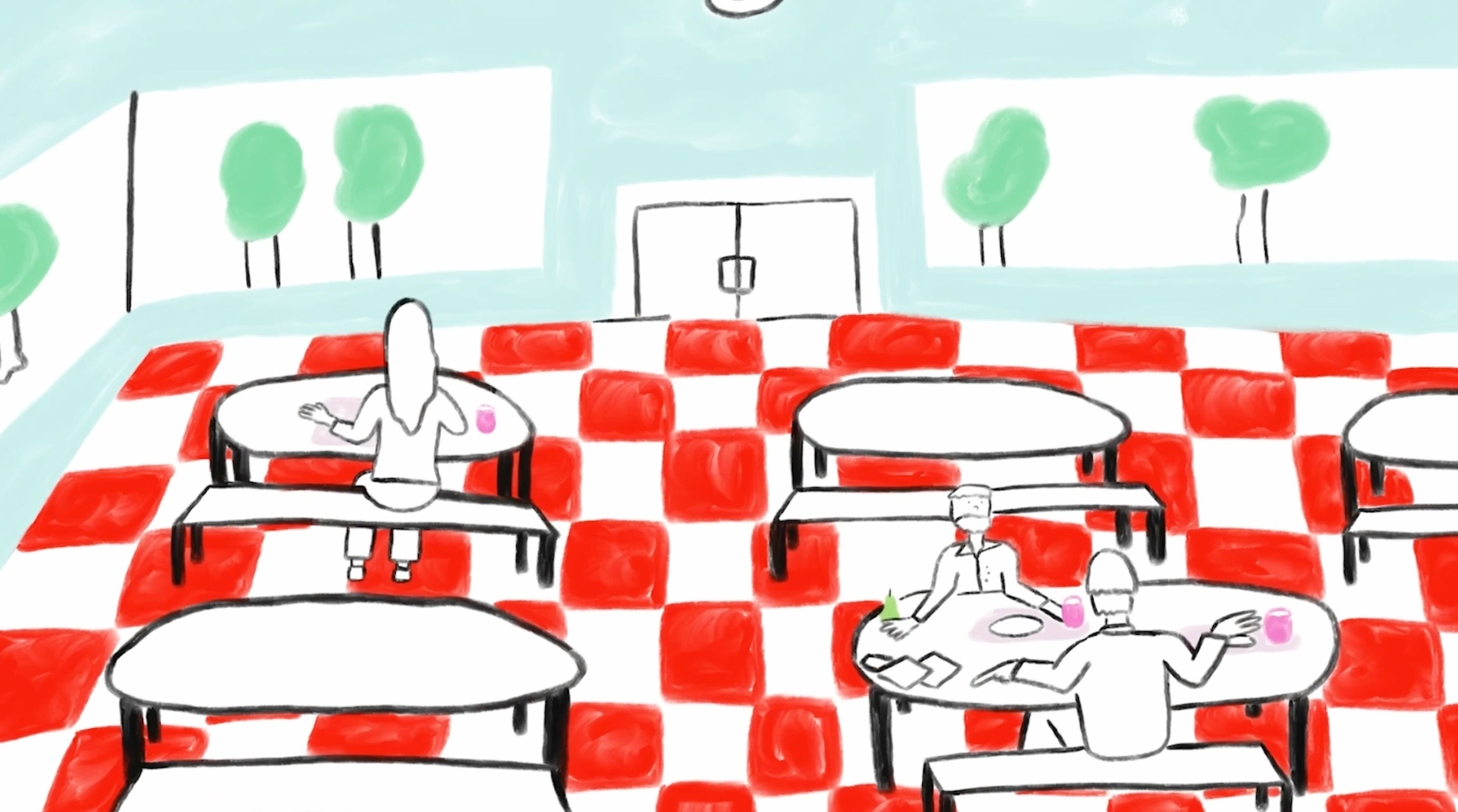
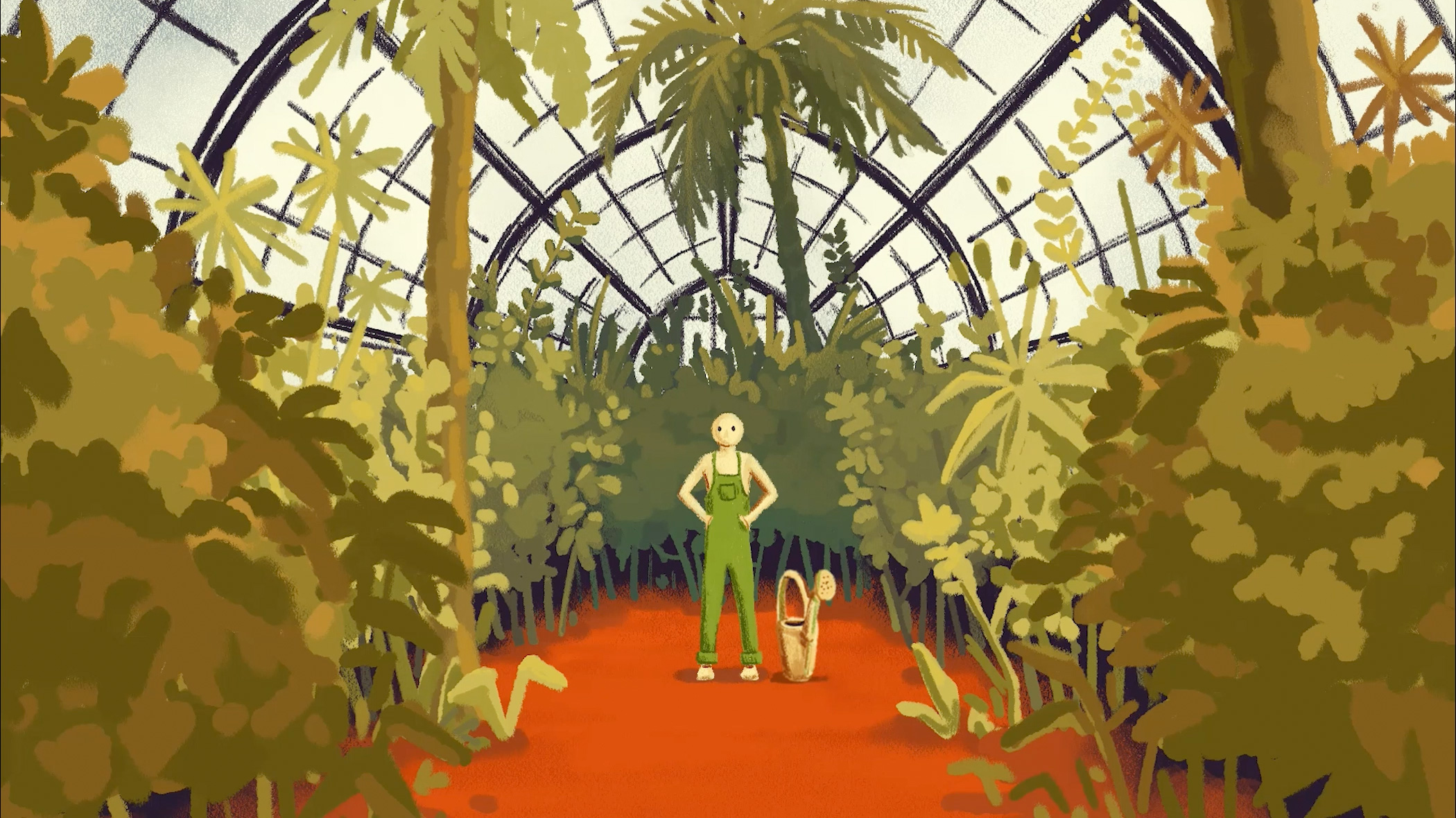
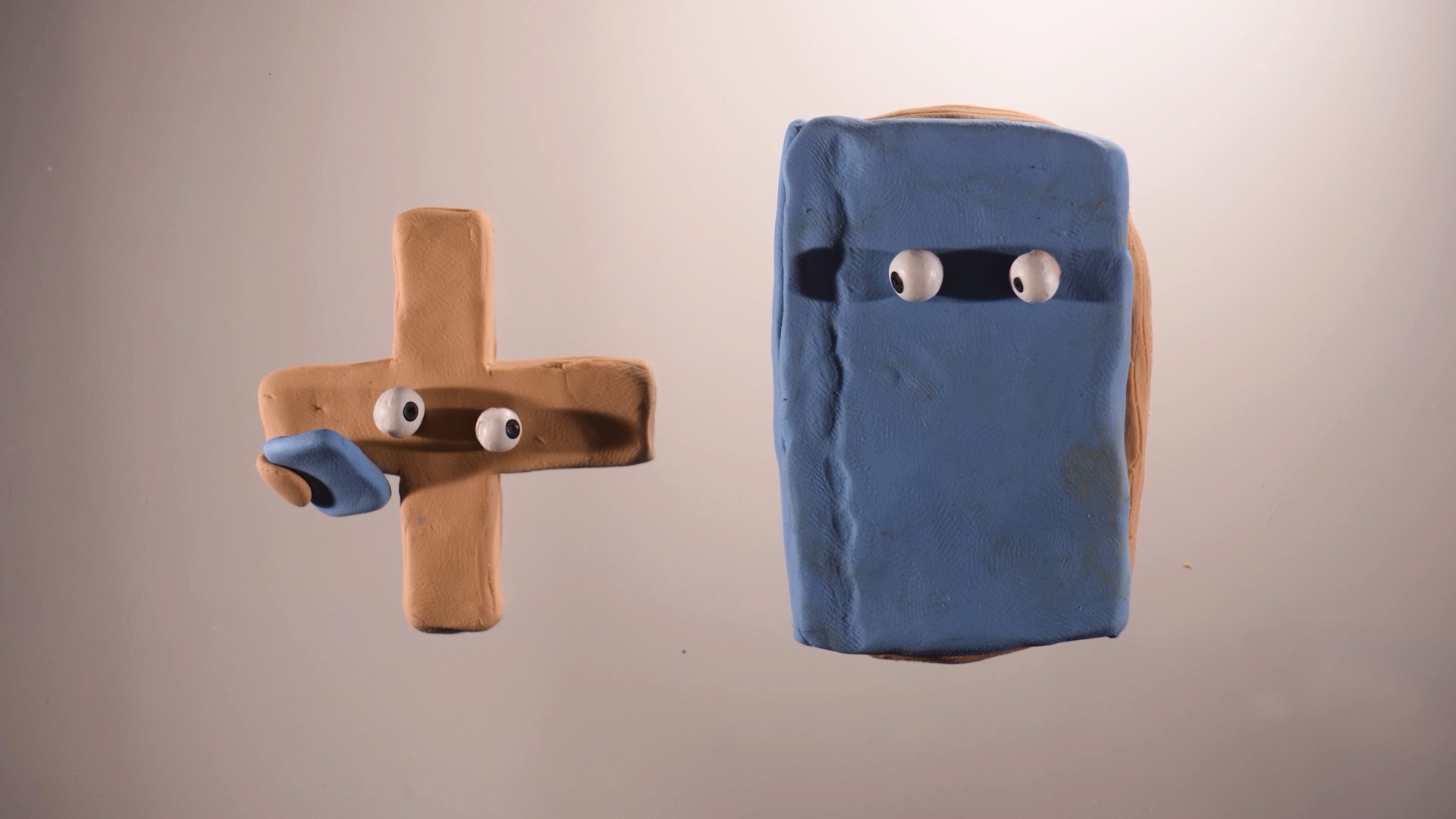
Visual chapters that set the tone.
Podcast
Long-form listening at the core.
Journal
Reflections that deepen the themes.
Quiz
Short prompts to test memory.
First chapter
Talisker House
Begin with Chapter 1 to meet Iain McGilchrist and the island setting where the journey begins.
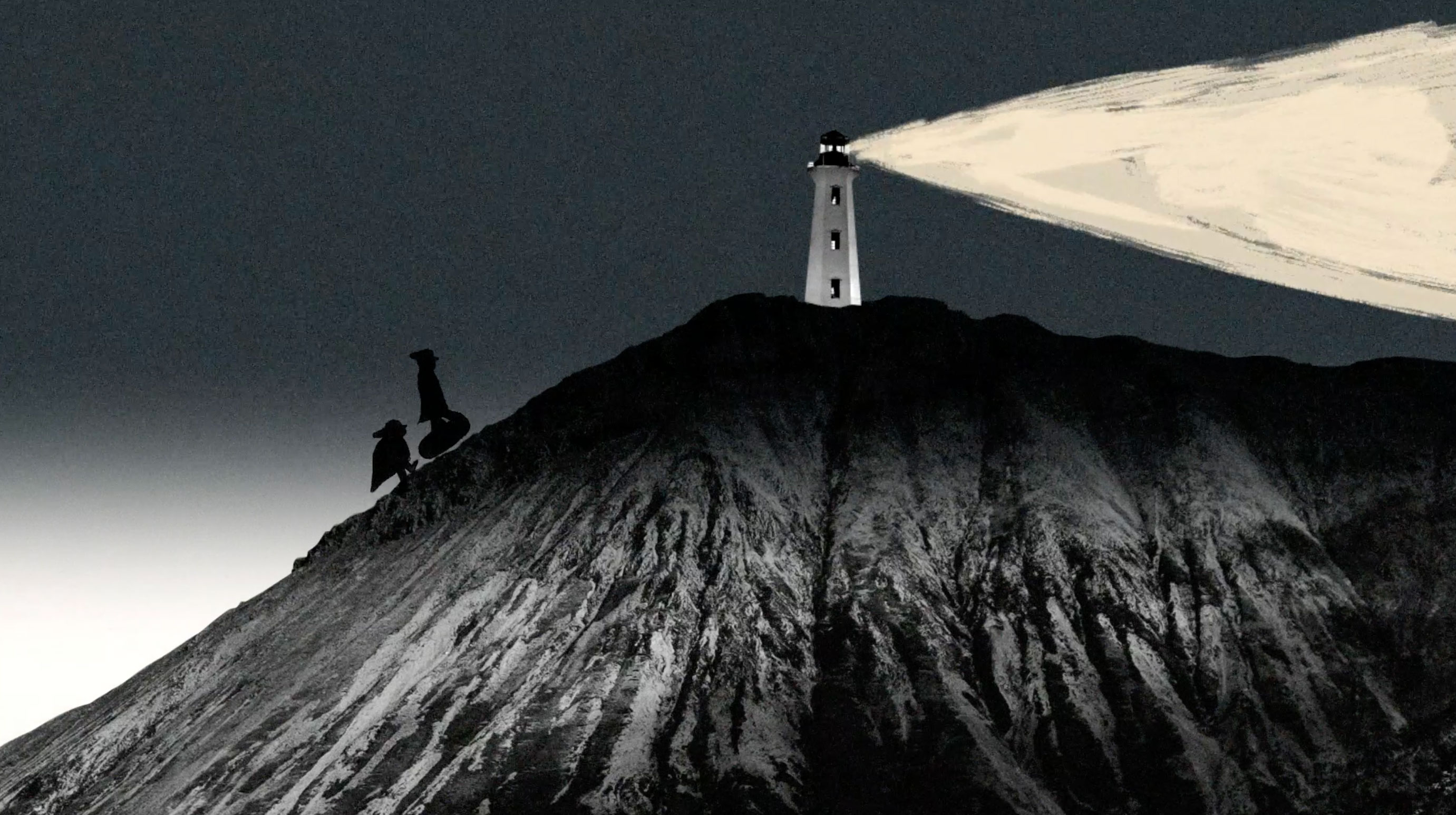
Explore
 Free
Free
 Preview
 Preview
 Preview
 Preview
 Preview
 Preview
 Preview
 Preview
 Preview
 Preview
 Preview
 Preview
 Preview
 Preview
 Preview
 Preview
 Preview